
Oil Rig Explosion: A complete history guide exploring causes, disasters, and hidden risks behind major offshore incidents deep!
I still remember. The first time I read about an oil rig disaster late at night, half curious, Half impatient, scrolling through articles that indicate it all. The same thing without really saying anything.
It wasn’t just about what happened. That was the feeling that something big happened. Beneath the surface, Something complex, almost invisible, that led to such disastrous results. This perspective is particularly relevant in Environmental & ESG Law. That curiosity is exactly what it provides most people to discover an oil rig explosion, And it’ s what this guide aims To really unpack.
What is an Oil Rig Explosion?
But its simplest, one oil rig explosion One is a sudden and violent release of energy due to burnt hydrocarbons on the drilling platform.
These rigs, Whether at sea or on land, work. Under extreme pressure conditions, Lots of handling flammable materials every second. When something goes inaccurate, the results can grow quickly.
But that simple definition does not occupy reality. These events are not just accidents. There are layered faults, often building quietly before exploding within. Seconds.
A Real Event He changed. Everything
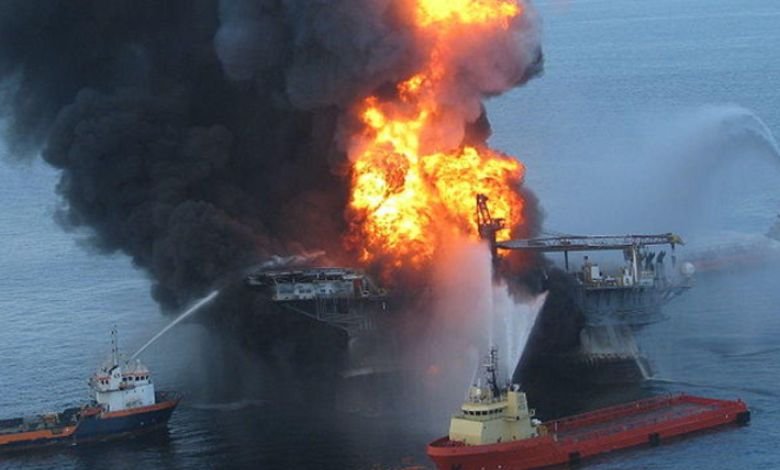
One of the most famous examples is the Deepwater Horizon oil spill. But first, It seemed like a technical malfunction. So came the explosion. Eleven workers lost. Their lives, And millions of barrels of oil I threw up the ocean.
When I first learned about it, I couldn’t stop thinking how something so extensive could initiate from something so small.
- A pressure miscalculation
- A missing warning sign
- A delayed reaction
It gave me this feeling of these disasters. In fact, it is rarely sudden. The only consequences are sudden.
How Oil Rig Explosions Actually Does.
To understand any oil rig explosion, you have to interrupt it in sequence. Assess it as satiating. A balloon without realizing that it is about to explode.
- First, Cream from hydrocarbons such as gas or oil under high pressure This is often due to a failure I pressure control systems
- Then, that gas Mixes with air
- Forms An extreme flammable vapor cloud Often hidden and undetectable
- Finally, ignition occurs Sparks from machines Static electricity Heat from equipment
At this moment, everything changes. The built- up energy is released violently, causing an explosion.
What is surprising is this. The explosion itself is the final step. The real danger starts much earlier. Does anyone notice?
The Difference Between Fire and Explosion
This is something I personally ascertain is erroneous. First, I used to assess. Fires and explosions basically were the same thing. They are not.
- The fire More common Sometimes manageable
- Explosions Rapid pressure release Shockwaves Structural destruction
Understanding this difference helps explain why explosions, however, are far more destructive and occur less frequently.
The surface Causes vs Real Causes
Most articles But terminate surface- level explanations:
- Equipment failure
- Human error
- Blowouts
Although these are legitimate, they It just is part of the story.
Deeper causes Includes:
- Poor maintenance systems
- Weak safety culture
- Inadequate training
- Organizational pressure To reduce costs or save time
I remember thinking, the first time I connected. These dots, that it’ s almost like an explosion. It just is the final symptom of a much larger problem. The real reason is often hidden in decisions. Weeks or months earlier.
Why These Events Are So Rare, yet so devastating.
Oil rig explosions What experts call low frequency, high- impact events. They don’t happen often, but when they do it the consequences are serious.
- Rare occurrence
- High destruction
- Long- lasting impact
This rarity is part of what makes them so fascinating and, honestly, so unsettling. You don’ t expect them. And yet, when they arise they dominate the headlines and stay in public memory for years.
That contrast creates a unique type of curiosity. It’ s not just about learning facts. It’s about trying to understand how something so rare can be so devastating.
The Environmental Impact He lives high up.
Another layer that is often overlooked is what happens afterwards. The explosion. However, the immediate disadvantage is obvious: the long- term effects may be even more vital.
- Oil spills spread everywhere.
- Vast areas Damage to marine life
- Effect on coastal ecosystems
- Economic consequences
The Deepwater Horizon oil spill is a clear example of what kind of incident can supply a new form. An entire environment for years.
I realized that when I started reviewing it. The explosion is just the beginning of the story. Where is the aftermath? the true scale of the disaster is displayed.
Could do These Explosions be stopped
This is the question which is always within. The back of the mind. And the honest answer is complicated.
- Improved safety systems help
- Better training Reduces risk
- Stricter regulations The instance
But prevention is necessary:
- Consistency
- Investment
- Strong safety culture
The uncomfortable truth Contains many events:
- Warnings ignored
- Overlooked risks
This is what makes them particularly frustrating to study. They didn’t have to happen often.
Emerging Risks In a Changing Industry
As technology evolves, so does it. The risks. Modern oil rigs rely heavily on automation. Digital systems.
- Increased efficiency
- New vulnerabilities
Emerging concerns:
- Cybersecurity threats
- System failures Activated externally
- Growing operational complexity
It is also the increasing complexity of offshore operations:
- More systems
- Tighter spaces
- Higher pressures
Everyone does their part. An environment where small issues can grow quickly.
Why We’ re So Drawn To This Topic
I’ ve Query yourself this more than once. Why do these stories stay with us?
- Fear Of catastrophic failure
- Curiosity About what went wrong
- Willingness to understand risk
But it is also something deeper.
These incidents reveal the hidden complexity of the systems Trust us every day. They remind us the most. Advanced technologies are not immune to failure.
The Key Takings:
- Looking back, what started? a simple late- night search Changed to a much deeper exploration of risk, system, and human decision- making.
- One oil rig explosion It just isn’t an isolated event. This is the result of a chain Each of the factors one Build further the last.
- To understand that chain it changes the method you look at. These disasters.
- They stop being random. They begin to understand, but that sense is uncomfortable.
- And maybe it is the real reason people search for this topic.
- Not just to know what happened, but to understand why it happened, and what it implies. The world we live in
Additional Resources:
- Deepwater Horizon Oil Spill – Britannica: A comprehensive, expert-reviewed overview of the most significant offshore disaster, covering causes, explosion sequence, environmental impact, and response efforts.
- Deepwater Horizon Oil Spill (Detailed History & Analysis) – Britannica: An expanded breakdown including drilling conditions, technical failures, and the chain of events leading to the explosion.