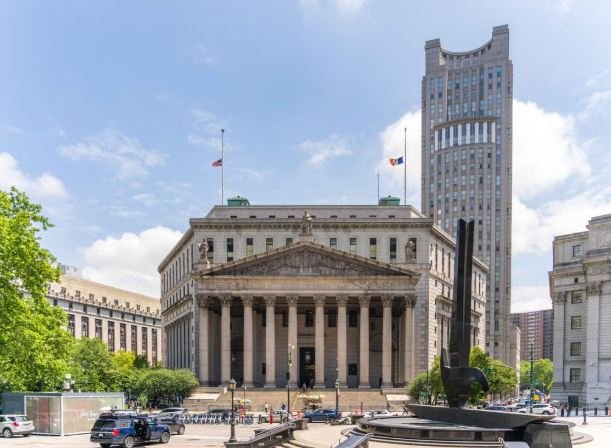
A first-hand guide to Nassau County Surrogate’s Court: probate, administration, e-filing, fees, and FAQs to help you through it.
I still remember the first time I typed “Nassau County Surrogate’s Court” into Google. My uncle had recently passed away, I’d somehow been named executor of his estate, and I had no idea what a “Surrogate’s Court” even was. Was it a special kind of courthouse? Was a judge going to grill me about whether I was fit to handle my own uncle’s affairs?
The answer, it turned out, was no , but it took two weeks of awkward phone calls and a couple of embarrassing trips to the courthouse to figure that out. So if you’re here because someone you love has passed, or you’re trying to get ahead of family matters before they become unmanageable, take a breath. I’ve been through it, and I’m going to walk you through everything I wish I’d known before I first stepped into that building on Old Country Road.
A quick note before we start: court staff, phone numbers, filing requirements, and other details change from year to year. Everything below reflects my own experience and the most recent information I could confirm. For anything time-sensitive , like who’s currently on staff or a specific extension , it’s worth double-checking against the official Nassau County Surrogate’s Court listing.
What Exactly Is the Nassau County Surrogate’s Court?
The Nassau County Surrogate’s Court is one of New York State’s specialized courts of limited jurisdiction. It presides over matters involving the estates of people who have died, guardianships, and adoptions. Think of it as the “life changes” court , it doesn’t handle felonies or civil disputes between neighbors. Instead, it governs the legal transitions that happen when someone passes away, when a minor or incapacitated adult needs a temporary guardian, or when a child is adopted.
The court is located at 262 Old Country Road, Mineola, NY 11501, right in the heart of the county government complex. If you’ve ever driven past the Nassau County courthouse complex, you’ve driven past it.
One thing worth clearing up: the word “Surrogate” here has nothing to do with pregnancy or surrogacy. It’s an old legal term for the person who presides over matters when someone can no longer manage their own affairs , because they’ve died, or because they’re a minor or incapacitated adult. Judges on the bench change over time, so if you’re relying on a specific Surrogate’s name, always confirm it’s current before you use it.
When Might You Actually Need This Court?
Here’s something no one tells you upfront: whether you end up dealing with the Surrogate’s Court usually isn’t your decision. Life makes that call for you. The most common reasons people end up here are:
- Probate , When someone dies with a valid will, and the court validates the will and appoints someone (usually named in the will) to administer the estate.
- Administration , When someone dies without a will (intestate), and the court appoints someone , usually a family member , to administer the estate according to New York’s rules of intestate succession.
- Small Estates / Voluntary Administration , A simplified process for estates where the personal property is valued at $50,000 or less. This is the route I ended up taking with my uncle’s estate, and it was a relief.
- Guardianship , For minors or incapacitated adults who don’t have anyone responsible to care for them or manage their finances.
- Adoptions , The court also hears adoption proceedings.
If your situation doesn’t fit neatly into any of these , say, there’s a dispute over who’s entitled to certain property, or you need to force someone to hand over estate assets , you’ll likely end up filing in the miscellaneous department. This handles anything that doesn’t fall under probate or administration, including discovery and turnover proceedings (the process for forcing someone to identify or return estate property) and other contested motions.
I once had a situation where a family member refused to hand over jewelry that was part of the estate, which meant filing a miscellaneous proceeding. Not glamorous, but sometimes necessary.
Practical Info: Hours, Address, and Contact Details
Here’s the info I wish had been in one place instead of scattered across a dozen browser tabs:
| Detail | Information |
| Hours | Monday–Friday, 9:00 a.m.–5:00 p.m. (closed on state holidays) |
| Address | 262 Old Country Road, Mineola, NY 11501 |
| Main Court Phone | (516) 493-3800 |
| Chief Clerk’s Office | (516) 493-3805 |
A tip from my own mistake: I once showed up on Columbus Day and found the doors locked. Check the state holiday calendar before you go. Phone numbers and extensions also change from time to time, so if it’s been a while since you last called, verify against the current court listing. For general questions, the main line will usually route you correctly. If you already know your matter belongs to a specific department (like the miscellaneous department for a contested proceeding), calling the Chief Clerk’s Office directly tends to get you to the right person faster.
Is Electronic Filing Required?
This one caught me off guard. While plenty of court processes still feel stuck in the paper-and-fax era, Nassau County Surrogate’s Court has actually kept up with technology better than many others. E-filing through NYSCEF applies to:
- Administration proceedings
- Small Estates (Voluntary Administration)
- Miscellaneous proceedings
If you’re filing in the miscellaneous department especially, there’s no more showing up with a stack of paperwork , you or your attorney log into the NYSCEF site and upload everything online.
At first, it felt about as intuitive as filing federal taxes without any help. Once I got used to it, though, I preferred it to another trip to Mineola. Courts do update their e-filing rules from time to time, so if your matter is unusual or time-sensitive, it’s worth confirming with the NYSCEF site or your attorney that nothing has changed.
The Filing Process, Step by Step
- Determine which proceeding applies. Was there a will? Was the estate under $50,000? Is there a dispute? This decision shapes everything that follows.
- Gather your documents. Death certificate, the will (if one exists), a list of assets, and details of the heirs or beneficiaries.
- Get the correct forms. Official New York State forms are available through the NYS Courts website or the Nassau County Surrogate’s Court site directly. Don’t rely on random forms found through a search engine , I made that mistake and had to redo everything.
- File electronically through NYSCEF (if required for your matter) or in person.
- Attend any required court appearances. For straightforward estates, this may just be a formality. For contested or miscellaneous matters, it can involve more back-and-forth.
- Receive your Letters. Letters Testamentary if there was a will, or Letters of Administration if there wasn’t.
These Letters give you legal authority over the estate. It sounds simple on paper, but living through it feels more like assembling IKEA furniture without the instructions , doable, but a lot easier with a manual (or a lawyer) in hand.
Do You Really Need a Lawyer?
It depends. For a small, uncontested estate that qualifies for the Small Estates process, plenty of people handle it themselves , I did, and while it took patience, it wasn’t impossible.
If you’re dealing with multiple heirs who don’t agree, assets that are difficult to value, or anything routed through the miscellaneous department (discovery, turnover proceedings, disputes), it’s worth consulting a reputable estate or probate attorney. It’s the difference between fixing a leaky tap yourself and calling a plumber before a burst pipe floods the basement.
How Long Does Estate Processing Take in Nassau County?
It varies widely. A simple, uncontested probate case can typically take a few months from filing to receiving Letters Testamentary. Contested cases, or ones filed through the miscellaneous department, can take significantly longer , sometimes over a year.
FAQs
Is Surrogate’s Court the same as Probate Court?
Functionally, yes. In New York, “Surrogate’s Court” is simply the term used for what most other states call “Probate Court.”
What happens if the deceased left no will?
The estate goes through Administration instead of Probate, and New York’s intestacy laws determine who inherits , typically a spouse, children, or other close relatives in a set order of priority.
What counts as a “Small Estate”?
An estate where the personal property is valued at $50,000 or less qualifies for Voluntary Administration, a simplified process for distributing the estate. It involves far less paperwork than full probate or administration.
What does the “Miscellaneous” department handle?
Anything that doesn’t fit neatly into probate or administration , discovery and turnover proceedings, contested motions, and other disputes that come up when an estate matter gets complicated.
What does the Nassau County Surrogate’s Court have jurisdiction over?
Estate administration, guardianship, and adoptions , essentially the legal matters tied to major life changes. It does not handle criminal cases or civil disputes between individuals.
How do I know which proceeding to file under?
It depends on the situation: Probate (if there’s a will), Administration (if there isn’t), Small Estates/Voluntary Administration (if personal property is $50,000 or under), or the Miscellaneous department (for disputes, discovery, or turnover proceedings).
Is e-filing optional?
Not really anymore. Administration, Small Estates, and Miscellaneous proceedings are all expected to be filed electronically through NYSCEF wherever electronic filing is available.
Do I need a lawyer for a simple case?
Not necessarily. Straightforward, uncontested proceedings are procedural enough that many people handle them on their own. Once a will is contested, heirs disagree, or assets are complicated, or the matter falls under the miscellaneous department, hiring a lawyer becomes worthwhile.
Should I rely on the court’s contact info and hours without double-checking?
No , treat details like the address, phone numbers, and the sitting judge’s name as a starting point. Courts and clerk’s offices update this information over time, so confirm anything time-sensitive before you rely on it.
Key Taking
- It’s a specialized “life changes” court, not a criminal/civil court , Nassau County Surrogate’s Court (262 Old Country Road, Mineola, NY) handles estates, guardianships, and adoptions only. It’s New York’s equivalent of what other states call “Probate Court.”
- Which path you take depends on the estate’s situation , Probate (there’s a will), Administration (no will, intestate), Small Estates/Voluntary Administration (personal property $50,000 or less), or the Miscellaneous department (disputes, discovery, turnover proceedings).
- E-filing through NYSCEF is essentially mandatory now , Administration, Small Estates, and Miscellaneous proceedings must generally be filed electronically rather than on paper.
- A lawyer isn’t always necessary , Simple, uncontested cases (especially Small Estates) are manageable solo. But disputes among heirs, hard-to-value assets, or anything in the Miscellaneous department make hiring an attorney worthwhile.
- Timelines vary a lot, and details change , Uncontested probate can take a few months; contested or miscellaneous matters can stretch past a year. Always double-check current hours, phone numbers, and the sitting judge’s name against the official court listing before relying on them.
Additional Resources:
- Nassau County Surrogate’s Court – New York State Unified Court System: The official page for the Nassau County court itself , location, hours, and an overview of what the court handles (estates, will disputes, and adoptions).
- WebSurrogate – Nassau County Public Records Search: The court’s official public portal for searching Surrogate’s Court case records and filings from outside the courthouse.
- Statewide Surrogate’s Court Forms: The official, fillable PDF forms for every type of Surrogate’s Court proceeding, organized by proceeding type.
- DIY Forms for Surrogate’s Court: Free, guided step-by-step programs from the NY courts system that generate the correct paperwork for self-represented filers, including small estate affidavits and guardianship petitions.