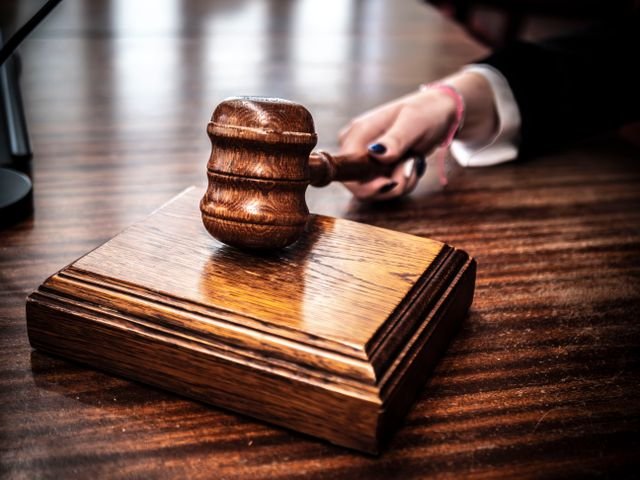
What is a mistrial? Learn what it means, why it happens, real examples, and if it’s good or bad.
A mistrial is a trial that ends primary, with no verdict, because something went wrong that the court can’t fix. The judge halts the case and declares it invalid. A mistrial is neither a conviction nor an acquittal, and in most cases the prosecution can try the case again with a new jury. Legal Updates
Quick Takeaways
- A mistrial ends a trial before a verdict.
- A hung jury is the most common cause.
- A mistrial does not mean” not guilty.” The prosecution can usually retry the case.
- Whether a mistrial is good or bad depends on who you ask.
What Is a Mistrial, Really?
The first time I heard the word on the evening news, I assumed the defendant had won. The anchor said” mistrial,” everyone reacted as if something huge had happened, and I walked away thinking the person was off the hook. I was wrong. Since then, I’ve learned plenty of people produce the same mistake.
Here’s a better way to picture it. Imagine you’re halfway through a board game when someone discovers the dice were weighted the whole time. You can’t finish the game and crown a winner. You flip the board and start over. A mistrial works the same way: it’s a reset button for a trial that can no longer be fair.
The American Bar Association describes a mistrial as a trial that isn’t successfully completed. The court stops it and declares it void, so it has no bearing on the case, now or later.
Retain these details in mind:
- It happens before a verdict. The judge must declare a mistrial before the jury( or the judge, in a bench trial with no jury) announces a decision. Once a verdict arrives, the window closes.
- Either side can ask for one. The prosecution or the defense can file a motion for a mistrial. The judge then grants or denies it. If the judge denies it, the trial continues.
- The court treats the trial as void. It counts as a win for neither side.
What is a Mistrial and How Mistrial Gets Declared
Mistrials rarely arrive in a flash of courtroom drama, even though TV makes it analyze that way. The process usually follows a simple path.
Step 1: A Problem Surfaces. A juror sends the judge a note saying the group is stuck. A witness says something the jury should never have heard. A juror falls ill overnight.
Step 2: An Attorney Files a Motion. A lawyer for either side asks the judge to declare a mistrial. Often the lawyer makes the request out of court, usually outside the jury’s hearing.
Step 3: The Judge Weighs It. Declaring a mistrial is a big step. It wastes time, money, and energy, so judges usually observe for a lighter fix first. A judge might inform the jury to ignore a comment, which lawyers call a curative instruction. In a deadlock, a judge might dispatch jurors back to preserve talking.
Step 4: The Judge Rules. If the judge refuses the motion, the trial is ongoing. If the judge grants it, the court dismisses the jury and the case resets.
Why Do Mistrials Happen?
Trials can go off the rails in many ways. Some are dramatic, and some are surprisingly ordinary. Here are the most common reasons.
A Hung Jury( Deadlocked Jurors)
This is the big one. In criminal cases, jurors generally must agree unanimously. When they deliberate for a long time and still can’t reach a decision, the judge may decide more discussion won’t facilitate and declare a mistrial.
A hung jury doesn’t mean the defendant is innocent, and it doesn’t mean the defendant is guilty. It means the jurors couldn’t agree. Picture twelve friends trying to pick one restaurant when one person flatly refuses every option. Nobody eats, and everyone goes home hungry.
Prejudicial or Improper Evidence
Sometimes a witness or attorney blurts out something strictly off- limits, like a failed polygraph test or a banned topic such as insurance. Lawyers call this the” unring the bell” problem. Once the jury hears it, no instruction from the judge can fully erase it. It’s like someone spoiling the ending of a movie. You can say” forget I said that,” but you can’t construct anyone forget.
Juror Misconduct
Jurors must decide a case using only what they receive in the courtroom. A juror who secretly researches the case online, discusses it with outsiders or the news media, or faces improper influence ruins the trial’s fairness. Jury selection problems, such as jurors who later convert out to have a conflict of interest, can cause the same trouble.
Attorney or Prosecutorial Misconduct
When a lawyer breaks serious rules, or a prosecutor intentionally withholds evidence that could be transparent to the defendant, the defense may move for a mistrial. Improper comments made in front of the jury can also generate it unfair to continue with the same jurors.
Death, Illness, or an Unavailable Key Participant
Trials depend on people, and people get sick. If a juror, lawyer, witness, or even the judge becomes seriously ill, gets injured, or dies, and no substitute is available, the trial may have to stop.
Procedural Problems and Lack of Jurisdiction
This catch- all category covers improper jury selection, evidence introduced the wrong way, and cases where the court discovers it lacks jurisdiction to hear the matter. Any legal error serious enough to make continuing unfair can qualify.
Mistrial Examples That Generate It Click
Definitions only go so far. Real cases finally made this topic click for me, so here are a few mistrial examples.
- Bill Cosby( 2017). His first sexual assault trial in Pennsylvania ended in a mistrial after the jury deadlocked. Prosecutors retried him, and a jury convicted him in 2018. That’s the” do- over” idea in action. The Pennsylvania Supreme Court later overturned the conviction on separate grounds in 2021, a good reminder that legal stories rarely end in one clean chapter.
- Karen Read( 2024). Her first trial in Massachusetts ended in a mistrial when jurors couldn’t reach a unanimous verdict. Prosecutors retried her, and a jury acquitted her of the most serious charges in 2025. A mistrial gives the case another chance, but it doesn’t predict the next outcome.
- Lindsay Clancy( 2026). According to recent reporting, her Massachusetts murder trial ended in a mistrial in September 2026 after jurors reported they were hopelessly deadlocked. This case is recent and still developing, so check the latest coverage for its current status.
Notice the pattern? In every case, the mistrial wasn’t an answer. It was a pause. And as the Cosby and Read cases manifest, what comes after a pause can swing in very different directions.
Mistrial vs. Hung Jury vs. Acquittal vs. Dismissal
This is where people get tangled up. I stayed tangled up for years. Use this cheat sheet.
| Term | What It Means | Is the Case Over? |
| Mistrial | The court stops the trial and declares it void before a verdict | Not necessarily |
| Hung jury | Jurors can’t agree; one common cause of a mistrial | Not necessarily |
| Acquittal | A” not guilty” verdict | Yes, the state can’t retry the defendant on that charge |
| Dismissal | The judge or prosecutor ends the case | Often, depending on how the dismissal happens |
| Conviction | A” guilty” verdict | The trial is over, but appeals may follow |
Remember this: a hung jury is a reason, and a mistrial is the result. Every hung jury leads to a mistrial, but not every mistrial comes from a hung jury. A mistrial can also come from misconduct, a sick juror, or a procedural blunder.
Don’t confuse a mistrial with an appeal either. An appeal asks a higher court to review a verdict that already happened. A mistrial stops the trial before any verdict exists.
What is a mistrial and what happens after a Mistrial?
After a judge declares a mistrial, one of three things usually happens:
- A new trial. The prosecutor schedules a retrial on the same charge, and the process starts over with a fresh jury. Courts don’t treat this as unfair double jeopardy, because the first trial never ended in a verdict.
- The prosecutor drops the charges. If the case looks too weak, or another trial costs too much, the prosecutor can dismiss the charges and finalize the case.
- The sides reach a plea bargain. Plea agreements normally come before trial. But if the mistrial exposed how hard the case is to win, a plea deal that favors the defendant becomes more likely.
Which path the case takes often depends on why the mistrial happened. A lopsided deadlock, like 11 jurors for acquittal and one holdout, tends to push prosecutors toward a deal or a dismissal. A mistrial caused by a sick juror usually leads straight to a retrial, since the evidence never got a fair hearing.
Can Someone Be Tried Again After a Mistrial?
Usually, yes. That surprises many people, because they immediately think of double jeopardy, the rule that says the state can’t try you twice for the same crime.
Double jeopardy generally doesn’t block a retrial after a mistrial, because the first trial never reached a verdict. The law treats it as if it never finished. The big exception is serious misconduct. If a prosecutor deliberately provokes a mistrial to get a second shot at the defendant, courts may bar a retrial. The details depend on the facts and on whether state or federal court hears the case, so this is one area where an experienced criminal defense lawyer earns their fee.
Is a Mistrial Good or Bad?
I acknowledge this question more than any other, and the honest answer is: it depends on who you ask. A mistrial isn’t inherently good or bad. It’s a legal reset, and whether it helps depends on the reason it happened and where you stand.
For the Defense
The good: A mistrial removes the immediate danger of a conviction and prison sentence. If the jury leaned heavily toward” not guilty”( say, 11 to 1), that tells the prosecution its case is shaky. It can direct to reduced charges, a favorable plea deal, or the state dropping the case. The defense also gets a full preview of the prosecution’s witnesses, evidence, and cross- examination strategy, which helps a lot if a retrial follows.
The bad: The case isn’t over. The defendant still faces the stress, the financial burden, and the uncertainty of doing it all again. Legal fees pile up, and life stays on hold.
For the Prosecution
The good: A mistrial can erase a trial that was heading toward a disastrous acquittal or that serious procedural errors, juror misconduct, or outside interference had derailed. It gives the state a do- over to fix mistakes and construct a tighter case.
The bad: Retrials cost a lot, eat up time, and strain court and state resources. If intentional prosecutorial misconduct caused the mistrial, double jeopardy protections may stop the state from trying the defendant again.
For the Court System
The good: A mistrial protects the integrity of the judicial process by stopping a trial that has transformed fundamentally unfair or compromised.
The bad: It clogs court dockets, wastes taxpayer money, and forces witnesses and victims to relive the trial.
So when someone asks whether a mistrial is good or bad, I say it’s like a rain delay at a ball game. For one team it’s a lifeline, for the other it’s a headache, and for everyone in the stands it means more waiting.
Mistrials in Civil vs. Criminal Cases
Most mistrial headlines involve criminal cases, but civil trials( disputes over money, contracts, injuries, and so on) can end in mistrials too. The causes are similar: a deadlocked jury, misconduct, or a serious error. The stakes differ, though. No one faces prison in a civil case, and the number of jurors who must agree can vary by state.
In a civil case, a mistrial usually sends the parties back to square one. They can try the case again, settle, or advance away. Settlements often become more attractive after a mistrial, because both sides have seen how risky the trial route is.
What Is a Mistrial and feels Like for the People Involved
Legal articles tend to skip this part, but behind every mistrial sit real people.
Defendants may spend months or years waiting for an answer, only to hear that the answer is” not yet.” Victims and their families may have steeled themselves to perceive a verdict, and instead they must prepare for it all again. Witnesses who already relived the worst moments of their lives may warrant to testify a second time. Jurors, who gave up weeks of their lives, traverse out without finishing the job.
That’s why a mistrial rarely feels like a tidy ending. It’s a messy middle, and knowing that helps you read the news with a little more empathy.
FAQs
Does a mistrial mean the defendant is not guilty?
No. A mistrial isn’t an acquittal. The court hasn’t found the defendant guilty or not guilty, and the charges can still stand.
Can a judge Announce a mistrial after a verdict?
No. The judge must declare it before the verdict.
Who decides whether a trial ends in a mistrial?
The judge. Either side can request one, but the judge makes the final call.
What’s the most common reason for a mistrial?
A hung jury, where jurors can’t reach a unanimous decision.
Can prosecutors retry a case after a mistrial?
Usually, yes. The exception comes when courts identify that double jeopardy protections apply, such as when a prosecutor intentionally caused the mistrial.
Is a mistrial the same as a hung jury?
Not exactly. It’s a hung jury. One cause of a mistrial. Misconduct, illness, and procedural errors can also trigger one.
Do I demand a lawyer if my trial ends in a mistrial?
Yes. A knowledgeable criminal defense attorney can push to reduce or dismiss the charges, negotiate a favorable plea bargain, or fight to resolve the case in your favor without another trial. If a trial goes forward, your lawyer can defend your right to due process and argue that the prosecutor can’t prove guilt beyond a reasonable doubt.
Key Taking
- Let’s go back to that evening news broadcast, where I got it all wrong.
- I wish someone had told me this: a mistrial isn’t a verdict, it’s an interruption.
- It tells you the process broke down, not what the outcome would have been.
- So the next time” mistrial” shows up in a headline, you’ll know what’s happening.
- The trial stopped, the slate got wiped, and the real question is what comes next.
- Whether a mistrial is good or bad depends on your seat in the courtroom, but understanding it puts you ahead of most people scrolling past the headline.
Additional Resources:
- Mistrial: Official Legal Definitions (public.law) :Definitions of “mistrial” drawn from courts and justice ministries, arranged by reading level.
- Oregon v. Kennedy, 456 U.S. 667 (1982) (Cornell Legal Information Institute) :The full Supreme Court opinion on when double jeopardy bars a retrial after a mistrial.
- Double Jeopardy: Mistrial and Manifest Necessity (UNC School of Government) : A criminal procedure manual explaining when a judge can declare a mistrial without barring retrial.