
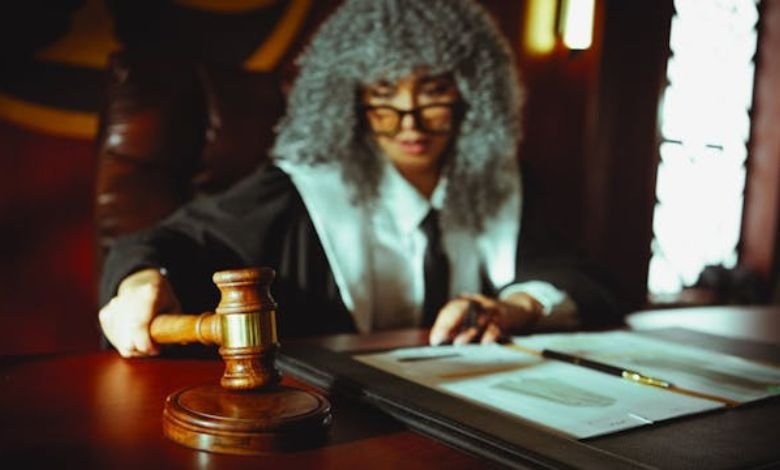
Sustained Meaning Court explained: learn how judges use sustained objections to control evidence and courtroom strategy in trials.
The first time I heard the phrase “Apply up,” I thought honestly the judge was about to announce that one lawyer and the other was completely defeated. I stayed seated on my couch late at night, half watching one courtroom drama while rolling my phone, and the exchange seemed incredible and dramatic.
The attorney objected, the judge leaned forward and suddenly said, “Constantly.” The witness stopped talking. That single word seemed powerful, almost theatrical.
Years later, after following real trials and reading more about legal procedure, I understood the meaning was very deep. Television makes it seem so simple.
If you have applied “sustained meaning court,” you’re probably trying to figure out when it actually happens. At its simplest level, a judge says that word when they agree with an objection raised by an attorney. In many Legal Updates and courtroom discussions, this ruling means the question may be blocked, the witness can’t respond, or certain evidence can be excluded from the record.
However, the real story behind sustained objections includes:
- Courtroom strategy
- Psychology
- The careful control of information inside a trial
What “Sustained” Means in Court
To understand why the word means a lot, think of a courtroom more like a tightly controlled conversation than an open debate.
Lawyers can’t say anything they wish. They must follow:
- Evidence rules
- Procedural standards
- Fairness guidelines
When one attorney believes the other side has crossed a line, they protest. The judge then decides whether the objection is accepted or rejected.
- If the objection is accepted, the judge says “sustained.”
- If the objection is rejected, the judge says “overruled.”
A Simple Courtroom Example
A simple example helps create things clearly.
Example Courtroom Exchange
Prosecutor:
“Did your neighbor say the defendant admitted the crime?”
Defense Attorney:
“Objection, hearsay.”
Judge:
“Sustained.”
That means the witness can’t answer because the statement depends on secondhand information instead of direct knowledge.
To many people, it feels confusing at first. After all, the statement may still be factual. Nevertheless, courts are not only concerned with truth. They are also concerned with:
- Reliability
- Fairness
The Biggest Misunderstanding About Sustained Objections
That realization completely changed the way I saw courtroom exchanges.
Before understanding more about legal procedure, I assumed a sustained objection meant the judge believed something was mistaken or dishonest.
Actually, the judge is often making a procedural decision instead of a factual one.
A statement can be valid and still be rejected for violating evidence rules.
This is one of the most misunderstood parts of courtroom law, and that explains why the phrase “sustained meaning court” creates so much curiosity online.
Courtrooms Are Really Systems of Information Control
One of the most fascinating discoveries I made while researching courtroom objections is that trials are really systems of information control.
The judge acts like a gatekeeper, deciding what information the jury is allowed to hear.
That responsibility matters greatly because judges know juries can be strongly influenced by:
- Emotional statements
- Rumors
- Speculation
- Unverified claims
- Improper testimony
Even a single improper sentence can shape how a case is seen.
In that sense, the word “sustained” becomes more than a legal term. It becomes a mechanism for protecting the integrity of the trial itself.
Why Lawyers Object Strategically
Interestingly enough, lawyers don’t always object because they hope to win the argument.
Sometimes objections are strategic.
Experienced attorneys can object to:
- Disturb a witness’s momentum
- Signal concern to the jury
- Protect an issue for appeal later
- Slow down damaging testimony
- Create hesitation during questioning
It surprised me when I first learned about it because television usually presents objections as dramatic victories or defeats.
Real courtrooms are far more subtle.
A lawyer can lose an objection completely yet still achieve an important strategic goal by slowing down damaging testimony or creating hesitation during questioning.
The Psychology Behind Sustained Objections
Another hidden layer involves jury psychology.
Judges often instruct jurors to disregard testimony after an objection has been sustained. But human memory doesn’t function like a delete button.
If someone hears a shocking accusation, they cannot instantly erase it from their mind.
Lawyers understand this well.
In fact, some attorneys ask dangerous questions intentionally because they know the suggestion itself may remain with the jury even if the objection is sustained.
Courts strongly discourage this tactic, but it still happens because litigation involves persuasion as much as procedure.
Television vs Real Courtrooms
The difference between television courtrooms and real legal proceedings also deserves attention.
On Television
- Objections happen every couple of seconds
- Judges give emotional rulings
- Courtroom exchanges feel explosive
- Lawyers appear constantly aggressive
In Real Trials
Real trials are very different.
Many objections involve technical wording issues instead of dramatic revelations.
Lawyers spend enormous amounts of time debating:
- Evidence foundations
- Procedural rules
- Witness qualifications
- Admissibility standards
Once I started watching actual trial footage online, I understood how much entertainment media exaggerates courtroom drama for viewers.
The Broader Legal Meaning of “Sustained”
There is also a broader legal meaning behind the word “sustained.”
Courts can:
- Sustain motions
- Sustain requirements
- Sustain injuries
- Sustain objections
In legal language, the term usually means that something has been:
- Supported
- Maintained
- Accepted by the court
That broader definition explains why the word appears in many different judicial situations.
Understanding this wider usage helps people recognize that courtroom language often carries centuries of legal tradition and interpretation.
Why the Phrase “Sustained Meaning Court” Creates So Much Interest
Today, when I hear a judge say “sustained,” I no longer see it as a simple interruption.
I recognize it as part of a much larger system designed to balance:
- Fairness
- Reliability
- Persuasion inside the courtroom
The phrase “sustained meaning court” may sound like a basic vocabulary search, but the curiosity behind it usually runs deeper.
People want to understand:
- Who controls the conversation
- How evidence shapes conclusions
- Why judges interrupt testimony
- Why one ruling may change a trial’s direction
- How courtroom strategy works behind the scenes
A Lesson From a Retired Lawyer
One conversation with a retired attorney made the issue feel even more real to me.
He explained that younger lawyers often make the mistake of believing frequent objections demonstrate confidence.
In reality, judges sometimes dislike excessive objections and may see them as attempts to hide information.
Skilled trial attorneys choose their moments carefully.
They understand that:
- Timing matters
- Tone matters
- Body language matters
- Strategy matters just as much as legal knowledge
That insight completely changed the way I viewed courtroom communication.
He compared it to a chess match where every move changes the emotional atmosphere of the room.
The Hidden Curiosity Behind the Search
The search phrase “sustained meaning court” reflects a deeper curiosity because people rarely search for vocabulary alone.
They want to understand:
- The hidden mechanics behind courtroom tension
- Why judges interrupt testimony
- Why lawyers debate wording
- Why some statements are blocked before the jury hears them completely
Once you understand those layers, courtroom objections suddenly become far more fascinating than television ever suggests.
The Key Takings:
After spending time studying real trial transcripts, I understood that every sustained ruling carries:
- Procedural consequences
- Emotional implications
- Strategic calculations
In many ways, sustained objections reveal the hidden architecture of the legal system.
They show that courts are not just searching for facts. They carefully decide:
- How facts should enter the room
- Who can present them
- Whether they meet the standards justice requires
That is why a single word from a judge can:
- End testimony
- Redirect an attorney
- Influence a jury
- Reshape the momentum of a case
All within only a few seconds.
Additional Resources:
- Cornell Law School – Objection (Wex): Explains the legal meaning of courtroom objections and when attorneys challenge testimony or evidence during a trial.
- Cornell Law School – Sustain Definition: Defines what “sustained” means in court when a judge agrees with an attorney’s objection.