
Personal Injury Court Show Fake? Discover the truth behind TV courtrooms, how cases work, and what’s real or staged.
I still remember. The first time I saw a courtroom TV show late at night it seemed swift, dramatic and strangely satisfying. A dispute introduced, arguments flew back and forth, and what felt correct inside. Minutes, a decision was made. The finale is entertaining. But something was felt. That small doubt that led me to discover: “personal injury court shows are fake,” especially when viewed through the lens of Behavioral Law. If you have the same thought, you are not alone. And the answer is not as uncomplicated as yes or no.
Are personal. Injury Court Fake Shows?
Let’s procure it.
No, they are not entirely false. But they are not real courts. Either These shows present a strange middle ground. There are conflicts. Real. The people are real. Even the decision is legally Bound but the courtroom itself? treat? The structure? This is where things initiate to change into something completely different. Real law.
Contemplate value this. Reality TV. It is based on real situations, but shape, edit and construct for fun.
Real vs Fake: Break it down
It helps to detach yourself to understand what is really going on. The elements:
- Matters: Real Conflicts between actual people
- Judge: Usually one real legal professional, But works as an arbitrator
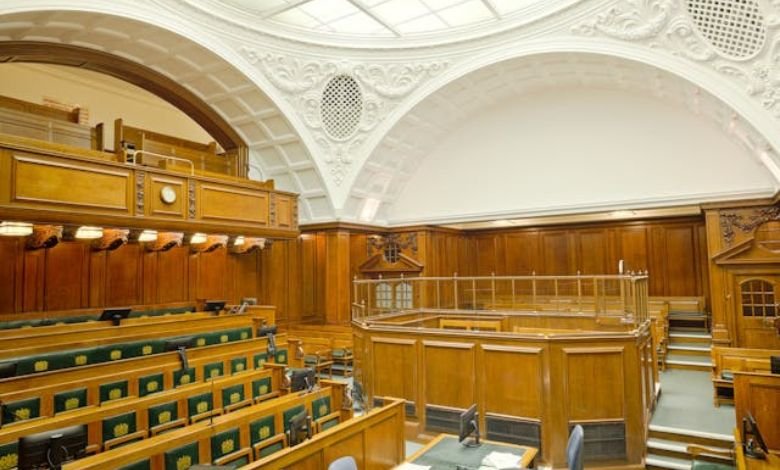
- Courtroom: A TV set, Not a state court
- Decisions: Legally Bound, but entered into by law
- Treat: Simplified, Editing and checking
- Payments: Often Handled by the show, No the losing party
This is the venue. Most confusion comes from people expecting a courtroom to work one way. This shows deliberately mimicking this structure, but acting as a whole. Different rules.
The Big Disclosure: It’ s mediation, Not Court
Here’ s Most of it viewers It makes no sense.
These shows There are no courts. They are arbitration proceedings.
Before you appear, both parties brand an agreement. This agreement allows the show to solve their dispute, generate it privately, and surrender the correct to take.
So when the“ judge” makes a decision, they don’t work for a government authority. They work as an arbitrator From which comes strength. The agreement Both parties signed.
That is to express that the outcome is real. But the system behind it isn’t one. You acquire it at an actual courthouse.
What You’ re Not looking
This is where things got really interesting as I dug deeper.
No Jury, No Appeal
In a real personal injury case, you might have a jury. You have the accuracy to do that too. Appeal On a decision these shows, those options usually absent. Once the arbitrator decides, that’s it.
No Discovery Process
This is a big one. One.
Real cases Including weeks or months of preparation. The lawyers are gathered. Evidence, interview witnesses, and exchange of documents. This is called discovery.
But TV? It’ s almost non- existent. Evidence served quickly, often without deep examination.
Heavy Editing
What you see. The full story.
Hours of filming were cut down to a short episode. Calls are reduced short. Details have been removed. The final version is in a distinct form, engaging narrative.
It is great for viewers. But it’ s How far real legal proceedings to open
The Money Factor: The biggest surprise
Here’s something that completely changed how I looked at these shows.
In many cases, the losing party does not actually pay. The judgment.
Instead, the production company covers it. Both participants can even get an appearance fee just to be turned on the show.
Assess about it now. A second.
In real life, Personal injury cases include serious financial risk. People rent. Lawyers, Invest time and front real consequences. But TV, that pressure has been removed.
This leads to behavioral change. It makes the environment feel less like a legal battle And more choices a controlled performance.
Why does it feel fake?
It brings us back to that original question: personal injury court Show fake.
The reason it feels fake is not because everything is set up. It’ s because your brain notices the mismatch.
Real legal processes Deliberate, detailed and is often Boring These shows Fast, emotional and nicely packaged.
I appreciate watching a cooking show compared to actually cooking a meal. It is smooth and entertaining. The other is messy and time- consuming.
That contrast creates doubt.
Real Court vs TV Court
Let’s get it done. The difference is even more clear.
In real life:
- Cases can take months or years
- Lawyers play a central role
- Evidence rules are tough
- Financial stakes are elevated
- Appeals is possible
On TV:
- Cases is resolved in minutes
- Lawyers is often Absent
- Evidence rules are flexible
- No, I have very little. Financial risk
- Decisions are final
It’ s Not only a simplified version of reality. This is a complete one different system Designed to look familiar.
Where Do These Cases Come From?
Another detail: Something that surprised me at the time. My research shows how cases are selected.
Many disputes come from the original real small claims filings. The producers find it interesting. Cases And invite the people involved to appear on the show Instead Once they agreed the original court case is usually Dropped The dispute It is then handled the show’ s arbitration process.
Then, the conflict is real. It just redirects to it. A television format.
The Hidden Impact But Viewers
This is where things obtain deeper.
Shows favor these don’ t Just have fun. They How to shape people to understand the legal system.
If you see enough of them, you might begin to believe:
- Legal cases are rapid
- Evidence It’s basic
- You really don’t have to. A lawyer
- Judges rely mostly on instinct
None It reflects reality.
Real personal injury law is complicated. It includes medical records, Expert testimony, detailed arguments and more long timelines.
The gap between perception and reality can lead to confusion, and sometimes poor decisions in real- life legal situations.
My Personal Realization
I’ ll But to be honest first, I liked these shows without thinking too much about them. They felt value in the legal world.
But the more I learned the more I understood. They were more dramatic. Version of that world.
It doesn’t make them useless. Actually, they can be entertaining and a bit educational too. But they should not be taken as a true representation of what kind of personal injury law actually works.
That moment to realize the difference? That’s the twist. A casual viewer looking for someone“ personal injury court show fake.”
The Key Takings:
- So, these shows are counterfeit Absolutely not.
- They are real disputes, handled by real legal professionals, to create real outcomes.
- But they Employment within a system This is simplified, Modified and designed for fun.
- The best way to describe them: They are a hybrid. Part real, Partial construction.
- To understand that distinction, all brands differ.
Additional Resources:
- Is Personal Injury Court Real? The Civil Lawsuit Process: Breaks down how real U.S. personal injury cases work, clarifying that no official “personal injury court” exists.
- Are TV Court Shows Legally Binding?: Details how some courtroom shows use binding arbitration, making decisions enforceable, but still not real court proceedings.