Learn the Law of Supply and how markets, prices, and regulation shape everyday life through real-world economic experiences. now.
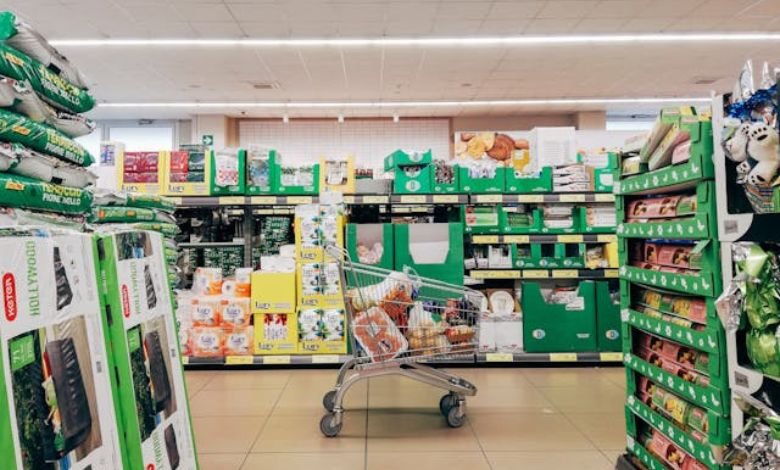
The first time I became curious. Markets and regulation was under a Behavioral Law frustrating trip to a grocery stock a few years ago. Prices for cooking oil suddenly doubled over, the shelves were visibly half empty, and everyone in line looked annoyed or confused. I remember standing there wondering if the deficiency was natural or if someone, somewhere, had it. More control over supply from ordinary people.
Realized that experience pushed me to research economics, business regulation, and the legal systems. It is quietly impressive. Daily life. Finally, I discovered this understanding. The law of supply Much more than memorization is required. Textbook definitions.
Understanding the Basic Principle
To understand the Basic Principle Most people learn the basic principle in school:
- When prices increase, manufacturers usually want supply Because several things higher profits establish stronger incentives.
- When prices In autumn, suppliers often reduce production because sales fall. Less rewarding.
It seems fine. Nevertheless real markets rarely behave so nicely. Classroom charts Recommend Governments intervene, Companies compete aggressively, and the regulations are roughly designed. Every industry consumers depend on.
Once I started reading:
- Competition law
- And the market regulation
I understood. Supply It just isn’t an economic idea. It is also closely related to power.
How Companies Use Scarcity To Their Advantage
Think about concert tickets for a moment. The fans often retrieve the blame. “ demand” when prices are provocative, though supply plays smoothly. Important role.
Some ticket companies intentionally release limited seats but first, speed and driving prices upward.
Used by luxury brands. Similar tactics. Some sneaker companies produce fewer pairs because they may actually trade as scarcity increases. Hype and prestige.
While these strategies It might seem smart a business perspective, They also pick up important legal questions:
- At what factor is it prohibited?
- supply is unfair to consumers?
- Can governments intervene when scarcity appears artificial?
- Should regulators monitor companies that deliberately limit products?
It just isn’t. Economic debates. There are also legal and ethical issues.
Why Antitrust Laws The Case
These questions: Why exactly? antitrust law exist
Many people Imagine antitrust cases Rotate completely high prices, But regulators often focus more on:
- Supply restrictions
- Market dominance
- Distribution control
- Competitive fairness
Large corporations sometimes have an enormous influence over production, Shipping, or distribution networks. When a company checks those systems, rivals struggle to survive.
The result May include:
- Fewer choices to consumers
- Higher prices
- Reduced competition
- Increased corporate power
During my research, I was surprised to master how often courts examine whether companies intentionally limit production in order to consolidate. Their market position.
Supply During Emergencies
The law of supply It becomes more interesting during emergencies.
During the pandemic, surrounding countries the world Shortcomings faced include:
- Mask
- Medical equipment
- Electronics
- Food products
Governments Reply with:
- Export restrictions
- Emergency regulations
- Anti- hoarding measures
To many people, that was the first time he felt markets were not completely free during a crisis. Authorities can override temporarily. Normal economic behavior For safety’s sake public welfare.
Watching those policies It felt difficult to activate because the world suddenly resembled a giant experiment in balancing finance with law.
Residence Markets and Legal Restrictions
Residence markets supply another revealing example.
In many major cities, demand gets the most. The public attention, but legal restrictions have a big impact on the construction. Supply.
Some major factors Includes:
- Zoning laws
- Permit requirements
- Environmental regulations
- Local political resistance
These barriers can measure growth dramatically.
I spoke once. A friend is trying to purchase. His first apartment, And he was joking about finding affordable housing Felt esteem a hunt for hidden treasures. Behind endless paperwork.
His frustration reflects a larger truth. Legal systems are often structured. Supply more than people feeling
Technology Has Changed The Conversation
Technology I added one more layer. The discussion.
Modern economies Strongly rely on:
- Semiconductors
- Cloud infrastructure
- Data Network
- Global supply chains
While recent chip shortages have affected the industry, car manufacturers, Electronics companies, and even appliance producers Struggle to maintain production.
Suddenly, supply chains became headline news.
Governments Admit it controlling strategic resources Can affect:
- Economic security
- Political power
- National stability
This is one reason countries regulate technology exporting more aggressively.
Supply It’s not just about factories or farms anymore. It also includes digital infrastructure and global influence.
The Psychology of Scarcity
One Most of all surprising discoveries in my personal research journey was learning how often scarcity can benefit companies.
Limited products create excitement. Restricted inventory creates haste. Controlled releases Encouragement consumers Use quickly before items disappear.
Psychologically, scarcity makes the product experience more valuable.
That realization: The way I see things has changed. Markets Forever, I started taking notes examples Everywhere, including:
- Online gaming consoles
- Luxury handbags
- Exclusive sneakers
- Limited- edition electronics
Absolutely, not every shortage Engineer is but understanding these strategies This explains why regulators are monitoring closely. Market behavior.
Supply, Politics, And Global Power
The law of supply also intersects with politics in interesting ways.
Governments Use often:
- Tariffs
- Sanctions
- Trade restrictions
- Export controls
These tools influence global markets Significant Energy exports, Foodstuffs etc rare earth minerals can transform tools. International pressure.
When nations restrict access. Critical resources, Prices shift worldwide.
Ordinary consumers Can never witness the legal negotiations happens behind the scenes, Until now they Experience the consequences Every day through:
- Higher bills
- Product shortages
- Increased inflation
- Limited availability
Markets Closely related to law, diplomacy, etc. National strategy.
The Biggest Misconception approx Supply
For curious readers this topic for the first time, the biggest misconception is that supply works independently of regulation.
In reality, the rules are roughly drafted. Every stage of production and distribution.
Examples Includes:
- Consumer protection rules prevention abusive practices
- Antitrust laws Protection against competition
- Emergency Strength in times of crisis
- Environmental policies Affects production
- Transportation regulations Influence delivery systems
Recognizing these connections, Daily economic headlines are starting to form. Much more sense.
A Personal Reflection But Researching Markets
Looking back, that confusing grocery store experience sparked a larger curiosity about how modern systems actually work.
As it began a simple question about growing prices Finally took me in. The worlds of:
- Regulation
- Corporate strategy
- Economic policy
- Market behavior
The law of supply It just isn’t a classroom theory buried inside an old textbook. This is a living force. It’s shaping up prices, opportunities, political decisions, and consumer Experiment every single day.
Understanding this helps explain:
- Why is there a shortage?
- Why governments intervene
- Why economic power It is very important
Why Consumer Psychology Matters
Another important dimension includes consumer psychology, something I underestimated at the time first Discovered market regulation.
People rarely react calmly to lack.
Empty shelves causing anxiety, and anxiety changes almost immediate purchase behavior.
For example:
- Drivers Quick to fill their tanks During the fuel scare
- Grocery shoppers Storage of necessities
- Consumers procure products in a panic after hearing. Shortage rumors
Those emotional reactions can be exacerbated by fear. Spreads faster More than facts
Economists explain it a few times in a feedback loop, but living through it feels much more dramatic in person. Any academic phrase suggests.
A Simple Analogy He changed. My Perspective
I remember talking to him. An elderly shop owner in my neighborhood explained market behavior by using a simple analogy.
He said supply chains are similar to water pipes running beneath a city.
When one pipe Blocked:
- Pressure
- Stock everywhere.
- Prices Increase in one area
- Deliveries Slower in the second
- Frustration Spreads quickly
His explanation: Stay with me because it’s changing. An abstract economic concept is something visual and man.
Markets are not machines operating in isolation. These include:
- Workers
- Transportation systems
- Political decisions
- Legal disputes
- Consumer emotions
- Corporate strategies
That complexity is precisely why understanding regulation is a very important part of modern societ
The Key Takings:
The more I studied. These systems, more I felt economic debates. It’s rarely just about money.
They Also about:
- Fairness
- Stability
- Opportunity
- Trust
- Power
Behind every shortage or price spike lies a network of decisions that consumers rarely fully understand.
Additional Resources:
- Encyclopaedia Britannica: Supply and Demand: Clear academic overview of how supply and demand determine prices, including how shortages, production changes, and market equilibrium work in real economies.
- IMF Back to Basics: Supply and Demand: Explains global market behavior in simple terms, showing how price signals coordinate production, consumption, and scarcity in real-world economies.