
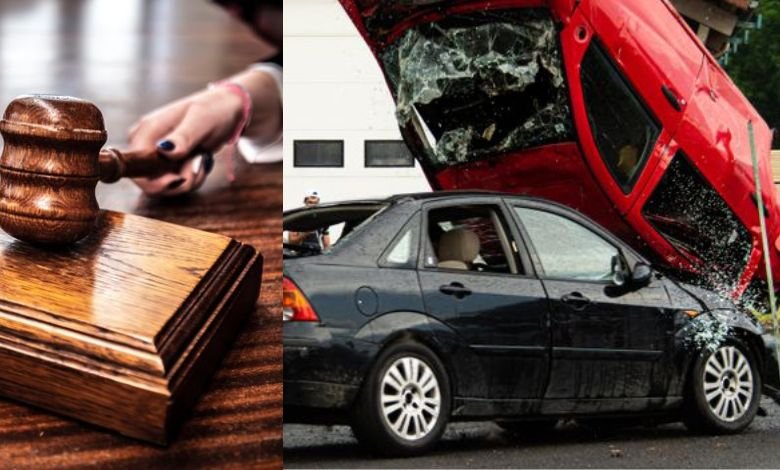
Navigate your Auto Accident Lawsuit with confidence. Learn the legal process, key steps, and real-life insights.
I still remember. The sound. The strange rubbery thud Before that crunch. That was it a Tuesday, I was three minutes from my residence, and some guy ran a red light Scrolling through what I can only assume was a lot. Important text. My car was broken. My neck suffered for weeks. And the word” lawsuit” indicated my vocabulary in a way I never had before.
If you’re reading this, there is a decent chance you’re in a similar spot, sitting with medical bills, a low-ball settlement offer, or an insurance adjuster who suddenly stopped returning your calls. That’s where Behavioral Law comes in. So let’s talk about how an auto accident lawsuit basically works and what you can realistically expect. No overly legal language, just the kind of clear, straightforward explanation I wish someone had given me.
What is an Auto Accident Lawsuit, Really?
Here’s a short version: an auto accident lawsuit is a civil legal case When filed an injured person( plaintiff) formally sues the driver for fault. ( the defendant) Because insurance negotiations broke down It’s” Plan B”- the thing It happens after The claims process doesn’t procure you where you need to be.
And here’s something that surprised me when I started researching this: above 95% Of car accident claims never actually turned into cases. Most of it has been solved insurance settlements without seeing anyone in a courtroom. A trial is usually required. A few specific situations:
- The insurance company disputes Whose fault is it really?
- The settlement offer is insultingly low compared to your actual damages
- Your medical bills and losses Exceeding the driver’s policy limit at fault
- The insurer Just… Stalling, hoping you furnish up or progress less accepting.
Seems a lawsuit like the emergency Attain out a plane. You hope you don’t need it, though it’s because there is a reason, and know where it is in advance. Everything is less scary.
Before that the Lawsuit: What’s happening right?
After Fallen I’ll Be honest- me the chaos of the moment, I forgot half of this myself. But what do you do? The first hour after a crash can shape silently. Your entire case later.
Look for injuries first. Become your car To a safe spot If you can, check on yourself and everyone else involved and call. 911 Immediately if anyone’s hurt. Preserve calm, share. Your location Obviously, and two the operator Guide you until help arrives.
Report the accident To the police Most states You must stop, provide assistance when necessary and report. The crash To local police, Especially if it is an injury, A death, or property damage over a certain dollar threshold. Exact incentives therefore vary from state to state. It’s Able to do a quick check of your state DOT or DMV site If you’re Not sure though the instinct Should always be the same: if in doubt, report it.
Respond. The officer’s Detailed questions- this report becomes one Most of all important pieces of evidence You have to.
Collect your own evidence, even while you’re waiting for the police to snap photos of the vehicles, road, skid marks, anything relevant. Hold on the other driver’s name, Insurance information, license plate etc driver’s license( A quick picture works). Converse to the witnesses and acquire them. Their contact info While memories are fresh– society quickly forgets details, and you’d be surprised how different two witnesses can remember the same five seconds.
Notify. Your insurance company immediately, regardless of whose fault it was. Waiting can actually damage your claim later.
Documenting them all felt difficult. The moment stands on the side of the road with a sore neck and shaky hands. But six months later, when my case was discussed, that folder of photos and there was a note worth its weight in gold.
The Lawsuit Timeline: step by step
If a lawsuit is necessary, it will not happen overnight. It’s certainly not dramatic. Gavel- banging courtroom scene from TV. The whole process usually takes anywhere from 3-24 months, depending on how complicated it is. The case How obvious the fault Is, and how severe the injuries is Here’s Usual way:
- Archiving the Complaint
Your lawyer’s files. A formal document with the court put out the facts, What happened, how? the other driver It was careless, and what a loss you’re to apply - Serving the Summons
Driving by mistake( now officially the” defendant”) Officially notified the lawsuit, Usually off a process server or the sheriff. - The Defendant’s Answer
On the other hand, it usually is. 20 to 30 days to provide a written response. Withdraw this step, And they are in danger of an automatic loss Called a default judgment, Which, if you’re But the receiving end of a lawsuit, Definitely not a deadline You will remember. - This is the discovery stage.
The long middle chunk, Sometimes the most produced part the whole process. Both legal teams exchange evidence: medical records, Police reports, phone logs, sometimes even statements, where witnesses and doctors Answer the questions under oath. It hurts, though it’s where matters are actually made or broken. - Mediation is done before anyone steps in a courtroom,
Most cases pass mediation, A neutral third The party helps. Both sides attempt to reach a compromise. Honestly, this is the place. The vast majority of lawsuits to complete - The test and Verdict
If mediation is not working, the case goes ahead to a judge and jury, who decides fault percentages and any financial award. This is the least common outcome Until now- contemplate about it the last stop, There is no default destination.
Fault Laws: why Your State More issues than You’d seems
This part really got me hooked first, because the rules are not the same.
- Error conditions( mostly the U. S.) Allow you to sue the negligent driver directly for your financial and emotional damages.
- No error conditions( e.g. Michigan) work Otherwise- you first File a claim through your own Personal Injury Protection( PIP) insurance to medical costs, And you can just sue the other driver If your injuries are severe or persistent, or your expenses cross a certain legal threshold.
If you don’t know which category. Your state I’m coming to, it’s a real one of the first things Verifiable– it changes. Your entire strategy.
That’s a third wrinkle worth knowing Also about: contributory negligence. Most error conditions use a” comparative negligence” system, where partial blame falls short. But proportionally a handful of states, Alabama, Maryland, North Carolina, Virginia and Washington D. C. , use” pure contributory negligence,” much harsher standard where is equal to 1% A mistake can legally prevent you from receiving anything.
If you’re in one of those places, it isn’t a minor detail. It can happen the whole ballgame, and it’s absolutely the kind of thing worth Confirmation with a local attorney before you assume you have. A case( or not).
What can you actually recover?
When individuals query“ What? my case worth,” They think normally two buckets of compensation:
- Financial losses- the stuff with a clear price tag: medical bills, physical therapy, Repair of vehicles and documentation lost wages.
- Non- economic damages– difficult to quantify: physical pain And suffering, emotional distress, and the loss Of everyday enjoyment of life.
For me, the economic side was fine- I had the receipts. The non- financial aspect was difficult to put into words. How do you lay a dollar figure about to bow every time you turn around a green light for months afterward? That’s actually part of it. A good attorney helps Translate into something the legal system can actually calculate.
Do You Actually Need A Lawyer?
You’re Not required to be legally employed. One. But here’s my honest guess: Once an insurance company senses you’re Navigating this alone, The tone of the conversation changes. For the most part personal injury attorneys trade continuously, meaning you don’t pay until they win. Your case, So the financial barrier At least to acquire a free consultation Basically it is zero.
FAQs
Q. How long do I have to archive? an auto accident lawsuit?
It totally depends. Your state’s statute of limitations, As it may be. One To several years. Don’t wait to test it- the deadlines are unforgiving.
Q. Will my case actually go to trial?
Statistically, probably not. The overwhelming majority of cases decide during negotiations or mediation before you arrive. A courtroom.
Q. What if I was partly to blame?
In most states, you can still recover even if you share, it is a loss. Some blame, Your compensation is reduced based on your percentage of fault. But a small group of states( Alabama, Maryland, North Carolina, Virginia, and D. C.) Monitor up” pure contributory negligence,” where any fault But your part, Even 1%, May prevent recovery altogether. Be sure to confirm which rule applies where you live.
Q. How much does it recruit? a lawyer cost?
For the most part personal injury lawyers work on a contingency fee basis. They only pay if you receive a settlement or decision, usually by taking an agreed percentage.
Final Thoughts
- Being involved in a car accident can turn your life upside down, especially when injuries, insurance companies, and legal questions all pile up at once.
- Understanding how an auto accident lawsuit works doesn’t make the process easy, but it does make it less overwhelming.
- Knowing what to expect, from the first steps after a crash to settlement negotiations or, in rare cases, a trial, can help you make informed decisions and protect your rights.
- If you’re facing medical bills, lost income, or an insurance company that’s refusing to offer fair compensation, don’t wait too long to explore your legal options.
- Every case is different, and the right guidance can make a significant difference in the outcome.
- The more informed you are, the better prepared you’ll be to move forward with confidence.
Additional Resource:
- Nolo’s Car Accident Lawsuit Guide: A widely respected, plain-English legal resource that breaks down lawsuit procedures in more state-specific detail.