
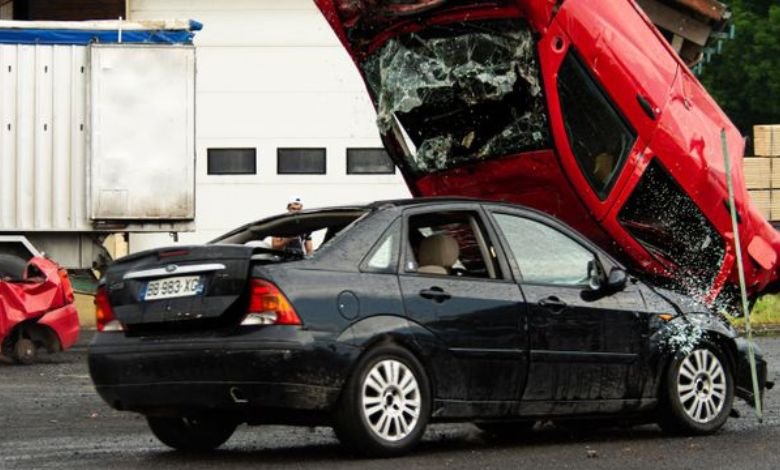
Head On Car Accident guide: Learn common causes, injuries, liability, and legal rights to protect your claim.
A few years ago, I was sitting in traffic. A two- lane highway When I saw a pickup truck drift Slowly- almost slowly- I the oncoming lane approx a quarter mile ahead for me a split second, Nothing happened. Then everything happened. The driver over-accurate, the truck swerved back, and it cut an oncoming sedan almost on the head. I still remember. The sound. It wasn’t loud, at all. It was wrong.
A sound Not in your mind a category to That moment stuck with me, and honestly, it was part of the reason I started digging up everything I could determine about the head. Car accidents, legal aspects, the medical side, All this. If you’re reading this, it is. A good chance you are either in one, You are worried about someone you love who was, or are you just trying to understand what you are dealing with before you? talk to anyone official. Anyway, let’s go together, step by step, as if someone would walk me through it. Along the way, we’ll also touch on how Behavioral Law can influence driver decision-making, reactions, and liability considerations in serious accidents.
What Exactly is a Car Accident?
But at its core, a head- on collision occurs when the front ends of two vehicles I travel in opposite directions collide with each other. Simple definition, brutal reality. According to safety data, head crashes create a small slice of all traffic accidents, but don’t let that fool you.
They’re consistently ranked between deadliest and deadliest catastrophic types of crashes But the road, Because of something” closing speed.” If two cars are each traveling 50 mph against each other, the combined force of this impact is far more violent than any driver will experience in a collision. A stationary wall but 50 mph alone. Neither does the driver. The benefit Of the other vehicle” give in”- both crumple zones Absorbent a massive amount of energy But the same instant.
He is the part people underestimate. A” minor fender bender” mindset just doesn’t apply here.
Why Do Head- On Collisions Happen In the First Place?
Most accidents boil down to one simple thing: A vehicle ends up somewhere it shouldn’t- usually the wrong side of the road, even just for a second or two. But the reasons a driver ends up there are quite different. A bit, And frankly, most of them are heartbreakingly preventable.This often happens when drivers grow impatient trying to overtake larger transport vehicles, such as a large truck hired from a specialized Piano Moving Company, without realizing the oncoming lane isn’t clear.
- Distracted driving- A glance under a phone, A quick text reply, fix it the radio. It just takes a couple of seconds for a car to cross the centerline.
- Driving under the influence, alcohol and drugs slow you down reaction time And mess with judgement, that is a dangerous combination Where on the street the margin Because the error is already razor acute.
- Fatigue, but going to sleep the wheel, even for a moment, often leads to a complete lane departure with zero Warning Improper passing. Undertake to pass on two- lane roads a slower vehicle without enough clearance is one Most of all common setups to a head- on crash.
- Wrong- way driving, going in a highway through an exit ramp, or converting to a one- way street goes the wrong direction, Especially common at night or with impaired drivers.
If any of these sound familiar. Your situation, This is actually useful information, because the cause of the crash happens often at the foundation which is legally considered. Fault.
The Injuries: Why the head? Crashes Hit So Hard( Literally)
This is the part that scares people the most, and frankly, it should be taken seriously. Sudden, violent deceleration in a head- on crash sends an enormous amount of force through the body in a fraction of a second. Here’s what could be causing it.
Head and Brain Injuries
If your head hurts after a car accident- even a small one, even if you” feel fine otherwise”- please brush it off. I know it’s tempting to evaluate,“ I didn’t even destroy. My head It’s hard” but honestly, it’s not. Brain injuries work Your brain flows in flexible tissue. Fluid inside a hard skull. Sudden movement alone– even without a direct impact, can cause your brain to slam against the inside of your skull.
Consider it as shaking a snow globe; The glass does not need to be broken. Everything inside to reorganize violently.
Common types of head injuries from car accidents Includes:
- Concussion, Most of all common traumatic brain injury( TBI). This happens when the brain bounces or flips inside the skull, and symptoms ranging from a mild headache to serious confusion and memory problems. Recovery can be acquired. Days, or months.
- Contusion( brain wound)- A direct bruise To brain tissue, By hitting your head often on the steering wheel, dashboard or timeframe. Larger contusions Sometimes surgery is necessary.
- Coup- contrecoup injury, This is when the brain hits one side of the skull, Then returns and hits the opposite side You don’t even have to lose consciousness for this to happen, and that’s it. Especially ordinary high- speed and rollover crashes.
- Diffuse axonal injury( DAI), One more severe injury where violent shaking tears nerve wires inside the brain. This often includes loss of consciousness but the scene can cause long- term impairment.
- The intruder head injury, Less common, but more serious, occurs when an object breaks the skull and goes into the brain tissue, which is necessary for immediate emergency surgery.
Closed Head Injuries, Silent threat
Here’s what really surprised me when I first learned this: a closed head injury Important the skull itself Not broken, though the brain underneath There have been injuries yet- and these are actually the majority. Common type in car accidents. The scary part is that you can look perfectly fine. No blood, no. Visible bump, Nothing Internally, there may be swelling or silent bleeding.
Look for symptoms such as:
- Persistent headache Or stress that gets worse, not better.
- Nausea or vomiting Blurred or double vision Confusion, Memory loss, or concentration difficulties Dizziness Or balance problems?
- Slurred speech Sensitivity For illumination or sound Sleep disturbances( way too much or too little) Mood swings or irritability that appears” out of nowhere”.
- Any loss of consciousness, Even just a few Sec Some of me these symptoms Show immediately. Others crawl over hours or even days. This delay is precisely for this reason. Medical evaluation correct after an accident means a lot- although the ER visit feels But as overkill the time.
For context, motor vehicle crashes It has been tracked for a long time the CDC Seam one Of the leading causes Related to traumatic brain injury hospitalizations and deaths I the U. S., Especially in between younger drivers and passengers. This is not meant to scare. You, It aims to identify why” I’m” Maybe right” is not always the case. A safe assumption.
Beyond the Head: Other common injuries.
On the head crashes Just don’t impress the brain. The same forces that are annoying. Your skull Working on the rest of Your body too:
- Neck And spinal injuries, Severe whiplash, herniated disc and in serious cases, from spinal cord injury the violent forward- and- back motion.
- Chest and torso trauma, Broken ribs, collapsed lungs, or internal bleeding, often the seatbelt or steering damper the impact.
- Fractures, Especially me the legs, Knees, ankles and arms, most often the front of the vehicle falls inwards on impact.
Who is Fault in a Head- On Collision?
This usually happens. One of the first questions In people’s minds, right. After” Am I okay?” In most accidents, fault comes down where the driver left. Their lane And crossed into the future traffic, If it flows over a centerline, Passing, or driving the wrong way the wrong way Complete That said, it’s not always black and white. Sometimes both vehicles partly finish over the line during evasive maneuvers, Road conditions or poor signage play a role, Or is there? a dispute about who actually crossed over. First, every state has it too. Its own rules Around comparative or contributory negligence, Something that can affect how compensation is calculated if you were partial. Fault.
This is one area where the details are real issues, and it’s rarely as simple as“ whatever. The wrong side of the road loser.”
What is the right thing to do? After A head accident
If you join the middle Extract it now a breath. This is it. The short version What is most significant: Now to safety first.
- If you can move. Your vehicle: Get out of the traffic, do it.
- Switch on your hazard Brightness Ring 911 Immediately, even if the injuries indicate minor, you require the police. Scene and paramedics available.
- Acquire checked by a doctor- even if you feel like it. ” Fine.” Adrenaline is a master Hides and hides pain brain injuries until later.
- Document everything. Pictures of vehicle damage, road conditions, Ski marks, signs, etc visible injuries The latter can be very significant.
- Exchange information. Name, phone numbers, Insurance details etc driver’s license numbers with the other driver.
I know this list is written this way, it seems almost too simple. But at the moment, when your hands shake and your ears ringer, to be equal this basic mental checklist can really help you assess more clearly.
What About Compensation?
I’m not one to throw out. Specific dollar Numbers here, because honestly, everyone who does it without knowing it. Your case guess. What I can convey to you is that compensation in a head- on accident claim Factors generally like things like medical bills( both present and future) , lost wages If you are out work recovering, The cost of ongoing therapy or Restoration, and so called otherwise. ” pain and suffering”– non- economic loss the accident but takes your life.
Told the way severe injuries from head crashes are, these claims There are often long- term costs involved that are not clear. The first few days. That’s part of why. Many people I this situation Finally talk To a personal injury attorney, Not necessarily because they’re Planning to sue someone, but because they want to a clearer picture of what their situation Might actually be worth it, and what their rights look like
When should you Talk To a Lawyer?
Honestly? Faster than you assess- especially If it is any injury Involved, even one It seems trivial first. For the most part personal injury attorneys offer free consultations, so it rarely happens. A downside: To retain at least the conversation. A good lawyer can facilitate your understanding. Fault, Handle insurance adjusters( Which, let’s be real, isn’t on. Your side), And establish guaranteed you drop any money. The table to medical costs Which has not been seen yet.
FAQs
Q. As is usually the case. Fault in a head- on collision?
The driver who left their lane or crossing oncoming traffic is common to determine. Fault, Although sometimes investigation reveals shared responsibility depends on the circumstances.
Q. Can a head injury show the day after a car accident?
Yes, of course. Symptoms Esteem a headache confusion, And mood swings can occur. Hours Or on the day of the performance, that’s why the follow- up medical care Things matter even if you feel right the scene.
Q. Do I require a lawyer If the other driver apparently was at fault?
Apparently so clear- cut cases, Insurance companies often dispute this. The extent of injuries Or undertake to minimize payments. A consultation can help you understand whether you are being treated fairly.
Q. What is the most common injury in a head- on car accident?
Traumatic brain injuries( including concussion) and related to whiplash neck injuries is among the most frequently reported, due to the sudden forward force Involved
Final Thoughts:
- A head- on car accident is one of the most serious types of crashes anyone can experience.
- The physical injuries can be life- changing, the emotional impact can last for years, and the financial consequences often extend far beyond the initial accident.
- What makes these collisions especially devastating is that they can happen in just a few seconds, often because of a momentary mistake, distraction, fatigue, or impaired driving.
- If there is one takeaway from this guide, it is that your health should always come first. Even if you feel relatively okay after a crash, some injuries, particularly head, brain, neck, and internal injuries, may not show symptoms immediately.
- Seeking prompt medical attention can protect both your recovery and your future.
- It is also important to remember that understanding your legal rights can make a significant difference after a serious accident.
- Whether you are dealing with medical bills, lost income, insurance companies, or questions about fault, having accurate information can help you make informed decisions during a difficult time.
Additional Resources:
- CDC – Traumatic Brain Injury & Concussion: Authoritative information on TBI symptoms, severity levels, and long-term effects from the Centers for Disease Control and Prevention.
- NHTSA – Traffic Safety: Government data and resources on crash causes, statistics, and safety trends across the United States.
- American Bar Association – Find Legal Help: A trusted starting point for finding qualified attorneys and understanding your legal options. (If a specific page has moved, the ABA’s main site, americanbar.org, can point you to your state’s lawyer referral service.)