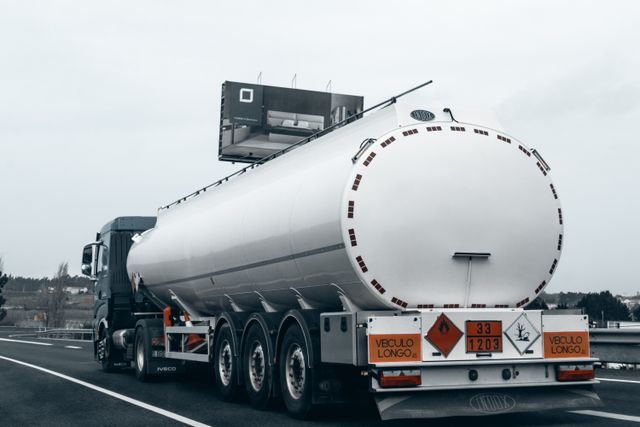
Fuel supply agreement define pricing, delivery, quality, payment, risks, and legal responsibilities for suppliers and buyers.
A fuel supply agreement does more than document the sale of fuel. It settles the rules of an ongoing relationship between a supplier and buyers. This may explain how much fuel Buyer must buy, how the price Calculated, when and where delivery takes place, what happens.
Quality standards Search, who handles transport, and what happens if A party fails to perform. To fuel-dependent businesses, these details are important because a delayed delivery or pricing conflict can quickly progress an operational and financial problem. The Law of Supply may also provide useful context when considering how fuel availability and pricing can affect the terms of a supply relationship.
So, what is a fuel supply agreement? In simple terms, This is a legally binding agreement between a fuel supplier and a buyer who rules the regular purchase and delivery of fuel to a defined period. The value of the agreement goes beyond that basic definition. A well-written contract should provide the resolution the practical questions can occur during the relationship.
What Is a Fuel Supply Agreement?
It is a legally binding contract between a fuel supplier and a buyer which establishes the terms to ongoing fuel purchases and deliveries over a specified period.
The buyer can be:
- Fleet operator
- Transport company
- Vessel or marine operator
- Generator owner
- Industrial facility
- Construction company
- Manufacturer
- Other commercial fuel user
In contrast to an one- time fuel purchase, one fuel supply agreement creates an ongoing relationship with continued responsibility.
The agreement Can cover:
- Fuel type and specifications
- Committed or estimated volume
- Minimum purchase requirements
- Delivery routes and locations
- Pricing Formulas
- Payment terms
- Fuel quality standards
- Right to examination and inspection
- Transportation responsibilities
- Risk of loss
- Force majeure
- Liability and insurance
- Termination and renewal
- Applicable law
- Dispute resolution
For example a trucking company can agree to buy. A certain amount of diesel every month for two years. The supplier agrees to deliver. The fuel under stated conditions, While the buyer agrees to pay accordingly. The contract. That framework gives both sides a clear understanding of what is expected.
Why Do Businesses Need One Fuel Supply Agreement?
Gives a written contract. Greater certainty to both parties.Imagine. A transportation company which depends on diesel every day. Need to acknowledge how much fuel will be available, what it will cost and what? happens if the provider cannot provide it.The supplier If it buys inventory, reserves, it also needs protection. Transportation capacity, or commits resources based on expected demand.
Without an express written agreement, a buyer May struggle to challenge:
- Unexpected price increases
- Delivery failures
- Poor- quality fuel
- Unclear charges
- Uncertain delivery schedules
A supplier’s enforcement can also be difficult. Minimum purchase commitments, payment obligations, delivery procedures, or cancellation terms.A strong it reduces these gaps. Explains clearly the parties’ rights and responsibilities First a dispute is born How does a Fuel Supply Agreement Work?
It Begins with the buyer And the supplier accepts it. Fuel type, expected volume, pricing, delivery, and payment terms. These terms are set out in the document. The contract.During normal performance, the buyer orders fuel, the supplier delivers it, the supplier receives the buyer, and the buyer pays according to agreed terms.
A useful agreement It also explains what happens when performance does not go as planned, e. G a sharp price increase, low demand, a late shipment, Quality problem, or a major delivery disruption.
The Key Elements of a Fuel Supply Agreement
Every agreement varies, but most deal with well- structured contracts in several core areas.
1. Fuel Products and Specifications
The agreement should clearly identify the fuel that is delivered, such as diesel, petrol, aviation fuel, Marine fuel, heating oil or renewable fuel.This should also be pointed out. The applicable grade, Specifications, test requirements, sampling procedures, documentation, and certification requirements. The term” fuel” alone may not be accurate enough. A commercial transaction.
2. Quantity and Volume Commitments
The contract will explain how much fuel the buyer must buy. It can use fixed volumes, estimates, minimum monthly purchases, maximum amount, volume ranges, or obligations to undertake or pay.Under a take- or- pay arrangement, the buyer may have to buy or pay. A specified minimum volume, depending on the contract Language can protect it. A supplier who commits the inventory or transportation resources, but this can cause problems for a buyer If the demand later falls.
A fleet For example, one expected to expand may end up paying for fuel it no longer needs. Buyers It should be understood how changes occur. Fuel demand Touched minimum commitments.
Fuel Pricing
Under one Fuel Supply Agreement Pricing It often is one Most of all important provisions in the contract. Fuel markets Can therefore change quickly a long- term agreement Need one pricing Mechanism it both parties can understand.
Fixed Pricing
A fixed- price arrangement determines the agreed price for the fuel to the full term or for a specified period.The main benefit is predicted. The drawback is that the arrangement can be less attractive if market prices rise significantly. The opposite direction.
Index Pricing
Sort links based on an index the contract The price of a market benchmark or index.A simple structure can be:The market index+ agreed differential= Contract price
The agreement should identify the applicable index, Date or time of pricing, adjustment method, And any additional charges. A clear draft helps prevent disputes when invoices are calculated.
Formula- Based Pricing
Some agreements use formulas based on market prices, Transport costs, taxes, location premiums, product deviations, or other agreed costs. Transparency matters: The buyer must be able to understand how an invoice was counted.
Delivery Terms and Logistics
The agreement Should be taken up delivery locations, Dates or windows, booking and notice procedures, Minimum quantity, transport, loading and unloading, storage, title transfer, risk of loss, and delivery delay.
A statement that the supplier will provide fuel” as needed” cannot provide enough certainty to a fuel- dependent business. Clear delivery conditions also help to determine who is responsible if the fuel is damaged, contaminated, lost or delayed during transport.
Fuel Quality and Testing
Fuel quality shall not be treated as an afterthought. A shipment can arrive on time and still cause one serious problem If it does not meet the agreed specifications.
The agreement Sampling procedures, test methods, approved laboratories, rights of inspection, procedures for disputed results, rights of rejection, replacement procedures, and responsibility for test costs.Without a defined process, the parties can dispute this. The fuel met the contract. Clear testing procedures supply a more direct path to solve the issue.
Payment Terms
Payment requirements should be clear. Common provisions Include receipt dates, payment deadlines, Terms and limitations for credit, late- payment charges, invoice disputes, and consequences of nonpayment.
For example if one party Payment is expected within 15 days And the other assumes 30 days, Conflicts can develop quickly. Clear terms Reduce uncertainty and support. Both sides plan cash flow.
What Happens If the Supplier Does Not Deliver?
No fuel supply arrangement is immune to interference. A supplier can encounter severe weather, transport problems, infrastructure failures, Government action, or other events outside its reasonable control.
This is the place. A force majeure provision becomes important. A force majeure clause can address certain extraordinary events which excuses, delays, suspends or otherwise affects contractual performance, depends on the contract’s The words A good agreement Questions should be answered as:
- Which events are eligible?
- What message should it be? the affected party?
- Of course the affected party tries to reduce the impact?
- Are delivery obligations suspended? Can the buyer obtain fuel elsewhere?
- What payment obligations Continue?
- Either party can terminate accordingly. A prolonged disruption?
Just be a force majeure clause Not enough. Both parties should understand what it actually allows and requires.
Liability, Compensation, and Insurance
Fuel transactions may involve significant operational and financial risk. A contract can limit certain damages, establish liability caps, need one party to cover specified claims through indemnification, and there is a need for appropriate insurance.
These provisions should be considered together. A limitation of liability Can be protective a broad indemnification obligation creates additional exposure Elsewhere I the contract.
Term, Renewal, and Termination
A fuel supply agreement How long it is in force should be clearly stated.
The contract May include:
- Effective date
- Initial term
- Renewal options
- Automatic renewal
- Foundations for termination
- Termination For convenience
- Notice periods
- Termination After prolonged force majeure
- Consequences Of early termination
Automatic renewal deserved special attention. A business can believe its contract will expire, only to determine that it has automatically renewed because the required notice was not delivered on time.
Important dates and notice deadlines should be carefully tracked.
Common Risks I Fuel Supply Agreements
Important risks Including unexpected price changes, minimum purchase obligations, Non- delivery, fuel not meeting specifications, automatic renewal, unclear responsibility For transport or risk of loss, And weak termination Rights A contract Should be made these issues Clean before they are in operation or financial disputes.
What Do You Need Check Before Signing One Fuel Supply Agreement?
Review before signing. The contract Both from a legal and practical issue of view.
Solicit:
- What am I actually buying? Confirm. The fuel type, Grades, Specifications, and quality requirements.
- How much should I buy? Review minimum volumes, Obligations to take or pay, and volume tolerances.
- How is the price calculated? Identify if the agreement user fixed pricing, an index, or another formula.
- Can the price change? Check the improvement clauses and other adjustment mechanisms.
- When and where will the delivery take place? Review delivery windows, Transport responsibility, notice requirements, And risk of loss.
- What happens if the fuel is inferior? Understand sampling, testing, rejection, substitution, and reimbursement provisions.
- What happens if the supplier can not provide? Review the force majeure language and supply- failure provisions.
- What happens if the buyer can’t pay? Understand default rights, late charges, supply stoppage, and termination remedies.
- Can I finish the agreement? Review termination rights, notice requirements, fee, and post- termination obligations.
- Will the agreement Automatic renewal? Check. The renewal clause and notice deadline.
- Whose law applies? Review applicable law and dispute resolution provisions, particularly when the parties I work for are in different states.
A Real- World Example of a Fuel Supply Agreement
Consider. A transportation company operating 75 diesel trucks under a two- year agreement. An agreement is required. A minimum monthly volume, user a market benchmark Also establishes a consensus difference, and. Delivery windows and fuel- quality testing.
If the demand later falls, a minimum volume commitment may be required. The company buys more fuel than it needs. If a shipment does not accept the specification, the testing and rejection provisions evolve. If the transmission is interrupted, force majeure And alternative- supply provisions Help to decide the response.
The example shows why a fuel supply agreement is greater than a. Pricing Here is the document a framework For handling the relationship when normal operations Change
Fuel Supply Agreements and US Fuel Regulations
A fuel supply agreement works with applicable federal, state and local requirements. May vary based on relevant laws. Fuel type, State, place of use, transportation method, industry, storage arrangements, And environmental requirements.
Federal and state fuel programs may impose fuel requirements. Quality and compliance. Companies should not assume this. One generic agreement covers every regulatory obligation. To gasoline and diesel transactions, the U. S. Environmental Protection Agency Provides information on federal fuel standards, Testing, and state fuel programs.
Fuel Supply Agreement vs One- Time Fuel Purchase
A one- time fuel purchase usually answers what to buy fuel, its price, and when it will be delivered.A long- term fuel supply agreement How to address the supplier The relationship will be employment over the coming months or years. That is why it is usually recorded. Pricing, minimum volumes, Delivery, quality, payment, responsibility, force majeure, termination, and dispute resolution.
The more important fuel supply is the buyer’s operations, The more important these details develop.
Why Clear Agreement Language Matters
One lesson I’m standing outside commercial contracts: Ambiguity creates risk.If one party interprets a pricing Clause one Method and the other party interprets it differently, a disagreement can migrate quickly from accounting legal conflict.
A strong agreement Should be:
- Ready enough to understand
- Detailed enough to protect. Both sides
- Flexible enough to handle reasonable changes
The buyer Should understand what It is to buy and what It will remunerate off. The supplier should understand what It must be delivered and when. Both parties should understand what happens when circumstances change.
That clarity is not just a legal benefit. This is good. Business planning.
FAQs
What Is a Fuel Supply Agreement?
A fuel supply agreement is a contract to rule the ongoing sale and delivery of fuel between a supplier and a buyer.
Is a Fuel Supply Agreement Included?
It usually covers price, quantity, delivery, fuel quality, PAYMENT, LIABILITY, TERMINATION AND other commercial terms.
Can Fuel Prices Change?
Yes Pricing Can be fixed, attached a market index, or calculated using an agreed formula, depending on the contract.
What Take or Compensate?
Usually means to take or settle. The buyer must buy or pay. A specified minimum volume, Subject to the exact contract terms.
Can a Fuel Supply Agreement Be Terminated?
Yes, but the answer depends on the agreement’s termination provisions And applicable law.
Key Taking
- Defines price, quantity, delivery, and fuel quality.
- Protects both parties from risks and disputes.
- Covers payment, termination, and force majeure.
- Must consider U.S. fuel regulations.
- Clear terms help prevent financial and operational problems.
Additional Resources:
- EIA Petroleum Data Diesel prices, market information, and petroleum data
- EPA Diesel Fuel Standards Federal diesel fuel rules and requirements
- EPA State Fuel Standards State-specific fuel requirements and standards