
c
When I heard the time the phrase” Local Law 152 inspection,” I had no idea what that meant. I helped. A friend managed her small In the traverse- up building in Queens, And a message came from the mail that looked, frankly, favor it was written to scare people. Big bold letters, a deadline, and a mention of a$ 5, 000 penalty. My friend invited me in a slight panic, asking,“ Did we do that? something wrong?” Spoiler: He didn’t.
He hadn’t heard yet. This law Until now– and frankly, I hadn’t before then. That moment.
That little scramble sent me down a rabbit hole of NYC Department of Buildings( DOB) pages, Plumbers Forum, and more PDFs than I care to admit, all while trying to keep up with important Legal Updates affecting property owners. So if you join the same boat, Staring a notice, Or just trying to relocate on from things before. One Appears- let’s go through it together. No legal jargon overload, I promise. That’s it, the facts, Explained the way I wish someone would explain them to me.
So, what exactly? Local Law 152?
Local Law 152 of 2016 is a New York City rule It is needed for most buildings to procure their gas The piping system was inspected at least once. Every four years. It just isn’t. One isolated law Either floated around- that was actually part of it. A broader package of gas safety legislation that the City Council I passed in 2016, The purpose of all one goal: prevention of the kind of gas leaks and explosions Something that has unfortunately made headlines.
NYC First Seems it less like a random bureaucratic hoop And more choices a smoke detector check to your building’s gas Lines- Quiet, routine, but there are too many real safety reasons.
The DOB enforces it, and the core idea is elementary: a Licensed Master Plumber( LMP), or someone working under that plumber’s direct supervision, Physical examination should be done. The exposed gas Stir in your building every four years. After that, the paperwork must be done. We’ll enter the paperwork soon, because- trust me- there it is. Most people travel.
WHO Actually Needs To Worry About This?
Here’s good news first: If you own one. One- or two- family home( What? the code Conversations” Group R- 3″ occupancy), you are closed the hook. Local law 152 is specifically exempted. These smaller residential buildings. So if your” building” really is just that of your house, You can breathe easy on it. One.
But if you own or manage anything bigger, Multi- family housing, mixed properties with trade etc office space, cooperation, condos, This law almost certainly applies to you. And it’s Not limited to the obvious gas lines Either The inspection covers exposed gas Stir in:
- Boiler rooms And mechanical spaces
- Common hallways and corridors
- Amenity spaces( Think of the gym, laundry rooms, lobby)
- Rooftop mechanical areas
- In common accessible parts of the building
And here’s something many owners are not aware of until now it’s too late: If your building has mixed use components, say a ground- floor retail shop, a common facility, or office space, these areas must also be inspected. My friend’s building Indeed it was a small storefront but the ground floor that he employed, and that space I must add. The inspection Scope It’s easy to forget the spaces you don’t go to in person every day, But the law Don’t forget them.
What Actually Happens During Examination?
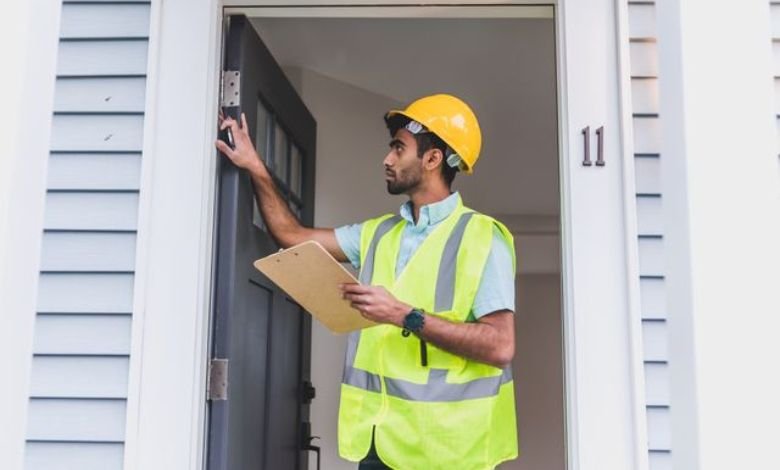
Picture A plumber walks by. Your building with a flashlight and a checklist, It is beautiful, minus the drama. A licensed plumber( or a qualified technician working Closer down one) Do a visual inspection of all the visible pipes I mentioned above. They’re Looking for:
- Active gas leaks
- Corrosion or broken pipe components
- Illegal or improper connections
- Any installation Which does not exist current code
One thing that surprised me: Individual apartments. Usually it is not part of this inspection But all, The focus is still on the joint, exposed gas Stir in common areas And mechanical spaces, No lines behind your tenants’ walls. So no, your tenants have no reason to worry a plumber is displayed on their door for this particular inspection.
The Paperwork Trail: inspection report, the GPS- 2 Certification, And Why Dates Matter
Much This is the part Something that turns people on- and frankly, it pissed me off. The first time is around two pieces of paperwork hold straight:
The inspection report
After the plumber ready the inspection, They have 30 days to furnish you the owner, A detailed report. This document spells any issues Found- leaks, expanded pipes, non- compliant connections, all of it.
The GPS- 2 certification
It’s big. One. You( or your plumber But your behalf) Must be archived this certification with the DOB within 60 days Of the actual inspection date, No 60 days After you have received the inspection report, But 60 days from the inspection Remember the window itself, and the filing will not even be accepted; You need a brand- new inspection Complete If you do not procure an approved inspection inside. Your community district’s timeframe, go DOB can abolish you a$ 5, 000 penalty. It is not so. A typo, And it’s not a” maybe”- it’s Data that has been verified. DOB notices And the official rules. And here’s Stove: the DOB can ask for your inspection On record any time, So retain your papers somewhere safe- this is not it. ” file” Forget it” situation.
When is Your Deadline? ( Schedule for the local community)
Maybe that’s why you applied. This topic I the first place, So let’s secure right to it. Your deadline Depends on which one NYC Community District Your building is located in:
| Community Districts | Inspection Cycle |
| 1, 3, 10 | Because of Dec 31, 2020/ Repeated. Dec 31, 2024 |
| 2, 5, 7, 13, 18 | Because of Dec 31, 2021 is repeated by/ Dec 31, 2025 |
| 4, 6, 8, 9, 16 | Because of Dec 31, 2022 is repeated by/ Dec 31, 2026 |
| 11, 12, 14, 15, 17 | Because of Dec 31, 2023 is repeated by/ Dec 31, 2027 |
These cycles repeat on a steady four- year loop, So when you understand your district, You know basically your future Also- sign your calendar Save yourself now the last- minute scramble. If you are not assured which district. Your building comes under the DOB’s property profile lookup tool will tell you about ten seconds.
What if you Don’t Have Gas Piping But All?
Here’s one detail that really surprised me: though your building is zero gas infrastructure, All- electric, nothing to inspect- you’re still not exempt. The paperwork. A plumber must file. A certification checks that there are no gas pipes. The building. It feels a bit counterintuitive( why archive something for infrastructure that doesn’t exist?), but since the DOB’s perspective, It is about closure the loop So every building in the city is calculated, one way Or someone else
Conclusions
- He looked back nervously at the phone.
- call from my friend, the whole situation Once we got the hang of it, it turned out to be quite manageable.
- The timeline. We found her community district, Confirmed her deadline, Leased a LMP, And the inspection took less time than I expected- maybe an hour.
- What a building that size. Really the lesson was not about the inspection In itself, it was about not waiting for a deadline notice Shows where you stand.
- If there is one thing I want to state to anyone reading this: don’t treat.
- Local Law 152 like fine print. Treat it as a substitute.
- The batteries are your smoke detectors, a small, routine task that actually exists.
- Good reason. Locate out. Your district, brand your four- year cycle, And few LMP But the calendar First the deadline crunch Beats everyone else.
- Your district But at the same time( And believe me, plumbers trade solid when the deadline approaches).
Additional Resources:
- NYC DOB Periodic Gas Piping System Inspections page: the official hub for guidelines, district lookups, and filing requirements straight from the Department of Buildings.
- NYC DOB Local Law 152 of 2016 Service Notice (PDF): the original service notice outlining the law, inspection cycles, and requirements in detail.